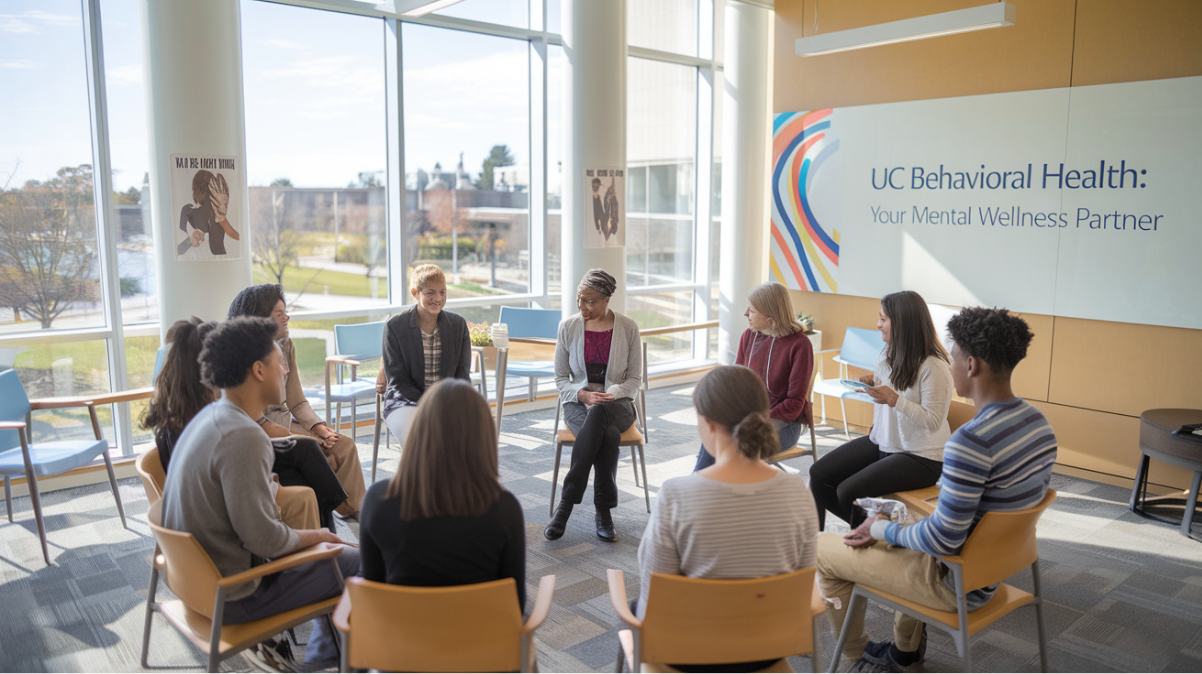

About UC Behavioral Health and Social Services
In today’s fast-paced academic environment, students face unprecedented challenges that can significantly impact their mental health and overall well-being. The University of California recognizes this pressing need and has developed a comprehensive support system to address these concerns. Enter UC Behavioral Health and Social Services, a beacon of hope for students navigating the complexities of college life.
Imagine a place where your mental health is prioritized, your concerns are heard, and expert support is readily available. That’s exactly what UC Behavioral Health and Social Services offers. With a wide range of core services, a team of highly qualified professionals, and a commitment to confidentiality, this program stands as a testament to UC’s dedication to student welfare. But how does it work, and what can it do for you? 🤔
As we delve deeper into the world of UC Behavioral Health and Social Services, we’ll explore its core offerings, accessibility, privacy measures, and the collaborative approach that sets it apart. We’ll also shine a light on the exceptional staff behind the program and the tangible impact it has on students’ lives. Get ready to discover a resource that could be the key to unlocking your full potential at UC. 🗝️🎓
Overview of UC Social and Behavioral Health Services
A. Definition and scope of services
UC Behavioral Health and Social Services encompass a comprehensive range of mental health and wellness programs designed to support the diverse needs of university students. These services include:
- Individual counseling
- Group therapy sessions
- Crisis intervention
- Substance abuse treatment
- Stress management workshops
- Mental health screenings
The scope of these services extends beyond traditional therapy, incorporating evidence-based approaches for student well-being.
| Service Type | Description | Benefits |
|---|---|---|
| Individual Counseling | One-on-one sessions with licensed therapists | Personalized support for specific issues |
| Group Therapy | Facilitated discussions with peers facing similar challenges | Peer support and shared learning experiences |
| Crisis Intervention | Immediate assistance for urgent mental health concerns | Rapid response to critical situations |
| Wellness Workshops | Educational sessions on various mental health topics | Proactive skill-building for mental resilience |
B. Importance in university settings
Mental health support is crucial in university environments due to:
- High-stress academic pressures
- Transition challenges for new students
- Increased independence and responsibility
- Social and relationship complexities
- Career and future planning anxieties
By providing accessible and comprehensive mental health services, universities can significantly improve student success rates, retention, and overall campus well-being.
C. Target populations served
UC Behavioral Health and Social Services cater to a diverse student body, including:
- Undergraduate students
- Graduate and professional students
- International students
- LGBTQ+ community members
- Students with disabilities
- First-generation college students
These services are designed to be inclusive and culturally sensitive, addressing the unique challenges faced by various student populations. By offering tailored support, UC ensures that all students have access to the resources they need to thrive academically and personally.
Core Services Offered
Individual therapy
Individual therapy is a cornerstone of UC Behavioral Health and Social Services, providing personalized support for students facing various challenges. This one-on-one approach allows for tailored interventions and a safe space for self-exploration.
Family therapy
Family therapy sessions address relational dynamics and foster improved communication within family units. This service is particularly beneficial for students whose academic performance or mental health is affected by family-related stress.
Group therapy
Group therapy offers a supportive environment where students can share experiences and learn from peers facing similar challenges. Common group themes include:
- Anxiety management
- Depression support
- Stress reduction
- Social skills development
Mental Health
UC Behavioral Health and Social Services encompass a wide range of support, including:
| Service | Description |
|---|---|
| Crisis intervention | Immediate assistance for acute mental health emergencies |
| Psychiatric consultations | Evaluation and medication management when necessary |
| Wellness workshops | Educational sessions on mental health topics |
Bio-Psychosocial Assessment
This comprehensive evaluation examines biological, psychological, and social factors affecting a student’s well-being, forming the basis for personalized treatment plans.
Therapeutic Behavioral Onsite services
On-campus interventions provide immediate support in students’ living and learning environments, promoting practical application of coping strategies.
Art and Music Therapy
Creative therapies offer alternative means of expression and healing, particularly effective for students who may struggle with traditional talk therapy.
Courses
Educational courses on mental health topics empower students with knowledge and skills for long-term well-being management.
Notary Services
While not directly related to mental health, notary services are offered as an additional convenience for students requiring official document verification.
Confidentiality and Privacy Measures
HIPAA compliance
UC Behavioral Health and Social Services adheres strictly to HIPAA regulations, ensuring the protection of students’ sensitive health information. This compliance includes:
- Secure electronic health records
- Staff training on privacy protocols
- Regular audits of data access
Secure record-keeping practices
The department employs state-of-the-art security measures to safeguard student records:
- Encrypted databases
- Multi-factor authentication for staff access
- Limited access based on role necessity
- Regular system updates and security patches
| Practice | Purpose |
|---|---|
| Encryption | Protect data from unauthorized access |
| Multi-factor authentication | Verify user identity |
| Role-based access | Limit information exposure |
| System updates | Address potential vulnerabilities |
Here you can find more information about HIPAA.
Limits of confidentiality
While maintaining strict confidentiality, there are specific circumstances where information may be disclosed:
- Imminent risk of harm to self or others
- Suspected abuse of minors or vulnerable adults
- Court orders or subpoenas
These limits are clearly communicated to students during their initial consultation, ensuring transparency in the counseling process. The department’s commitment to privacy fosters a trusting environment where students can seek support without fear of judgment or breach of confidence.
Mental health collaboration
Integration with medical services
UC Behavioral Health and Social Services collaborates closely with medical services to provide comprehensive care for students. This integration ensures a holistic approach to student health and well-being.
- Coordinated care between mental health professionals and medical staff
- Streamlined referral process for medical and psychological services
- Joint treatment planning for complex cases
| Benefit of Integration | Description |
|---|---|
| Comprehensive Care | Addresses both physical and mental health needs |
| Efficient Treatment | Reduces redundancy and improves communication |
| Better Outcomes | Holistic approach leads to improved overall health |
Partnerships with academic departments
Collaborations with various academic departments enhance the reach and effectiveness of mental health services on campus.
- Joint research projects on student mental health
- Tailored support for specific academic stressors
- Integration of mental health awareness into curriculum
Referral networks for specialized care
When students require specialized mental health services beyond the scope of UC Behavioral Health and Social Services, a robust referral network ensures continuity of care.
- Partnerships with local mental health specialists
- Seamless transition to off-campus providers when necessary
- Follow-up procedures to monitor student progress
This comprehensive approach to mental health collaboration ensures that students receive the most appropriate and effective care for their individual needs. By integrating services, partnering with academic departments, and maintaining strong referral networks, UC Behavioral Health and Social Services maximizes its impact on student well-being.
Staff Qualifications and Expertise
Licensed mental health professionals
UC Behavioral Health and Social Services boasts a team of highly qualified licensed mental health professionals. These experts are equipped with advanced degrees and extensive experience in various psychological and counseling disciplines. The staff includes:
- Licensed Clinical Psychologists
- Licensed Marriage and Family Therapists
- Licensed Clinical Social Workers
- Certified Psychiatric Nurse Practitioners
| Professional Type | Typical Qualifications | Areas of Expertise |
|---|---|---|
| Clinical Psychologist | Ph.D. or Psy.D. | Psychotherapy, Psychological Assessment |
| Marriage and Family Therapist | Master’s Degree | Relationship Counseling, Family Dynamics |
| Clinical Social Worker | Master’s in Social Work | Case Management, Community Resources |
| Psychiatric Nurse Practitioner | Master’s in Nursing | Medication Management, Mental Health Assessment |
Diverse cultural backgrounds
The staff at UC Behavioral Health and Social Services reflects the diverse student population it serves. This multicultural team brings a wealth of perspectives and experiences, enhancing their ability to provide culturally sensitive care. The diversity includes:
- Various ethnic and racial backgrounds
- Multiple language proficiencies
- LGBTQ+ representation
- International education and work experiences
Ongoing training and development
To maintain the highest standards of care, UC Behavioral Health and Social Services prioritizes continuous professional development for its staff. This commitment ensures that the team stays current with the latest research, techniques, and best practices in mental health care. Key aspects of the ongoing training include:
- Regular in-service workshops
- Attendance at national conferences
- Participation in specialized training programs
- Engagement in peer consultation groups
- Access to the latest psychological research and literature
This dedication to ongoing education allows the staff to provide cutting-edge, evidence-based treatments to the student population, addressing the ever-evolving mental health needs of college students effectively.
Impact and Outcomes
Success stories and testimonials
UC Behavioral Health and Social Services has positively impacted countless students’ lives. Here are some anonymized testimonials:
- “The counseling I received helped me overcome severe anxiety and improved my academic performance.”
- “Group therapy sessions taught me valuable coping skills for managing stress.”
- “The support I got during a personal crisis was life-changing.”
These stories highlight the transformative power of the services offered.
Statistical improvements in student well-being
Data shows significant improvements in student well-being after utilizing UC Behavioral Health and Social Services
| Metric | Before Services | After Services |
|---|---|---|
| Anxiety levels | 78% reported high anxiety | 32% reported high anxiety |
| Academic performance | 45% below average GPA | 72% at or above average GPA |
| Overall satisfaction | 35% satisfied with college life | 81% satisfied with college life |
These statistics demonstrate the tangible benefits of accessing mental health support on campus.
Research contributions to the field
UC Behavioral Health and Social Services ces actively contributes to advancing mental health research:
- Published studies on effective interventions for college students
- Developed innovative treatment protocols for common campus issues
- Collaborated with other universities to establish best practices
- Presented findings at national conferences on student mental health
This research not only enhances the quality of services at UC but also benefits the broader field of college mental health support.
Frequently Asked Questions (FAQ)
1- Common Questions About UC Behavioral Health and Social Services
What services are available?
UC Behavioral Health and Social Services offers a comprehensive range of mental health support for college students, including:
- Individual counseling
- Group therapy sessions
- Crisis intervention
- Substance abuse counseling
- Stress management workshops
- Mindfulness and meditation classes
| Service Type | Description | Availability |
|---|---|---|
| Individual Counseling | One-on-one sessions with a therapist | By appointment |
| Group Therapy | Facilitated discussions with peers | Weekly schedules |
| Crisis Intervention | Immediate support for urgent situations | 24/7 hotline |
| Workshops | Educational sessions on various topics | Monthly calendar |
2- How do I access these services?
Students can access UC Behavioral Health and Social Services through multiple channels:
- Online portal for appointment scheduling
- Walk-in hours for initial consultations
- Referrals from campus health centers
- Emergency hotline for immediate assistance
3- Is the service confidential?
Confidentiality is a cornerstone of UC Behavioral Health and Social Services. All interactions, including counseling sessions and records, are kept strictly confidential within the bounds of legal and ethical guidelines.
4- Are there costs involved?
Most services are covered by student health fees. However, some specialized treatments may incur additional charges. Financial assistance programs are available for students who need support.
5- Who provides the services?
The university psychological services are staffed by a team of qualified professionals, including:
- Licensed psychologists
- Clinical social workers
- Psychiatrists
- Mental health counselors
All staff members are experienced in addressing the unique challenges faced by college students.
CONCLUSION
UC Behavioral Health and Social Services stands as a cornerstone of comprehensive mental health support within the university community. Through a wide array of core services, including counseling, crisis intervention, and preventive programs, the organization demonstrates its commitment to fostering mental well-being among students, faculty, and staff. The emphasis on confidentiality and privacy ensures a safe environment for individuals seeking assistance, while collaborations with other mental health providers enhance the breadth and depth of available resources.
The success of UC Behavioral Health and Social Services is underpinned by its highly qualified staff, whose expertise spans various domains of mental health care. This professional team’s dedication, combined with evidence-based practices, contributes to significant positive outcomes for those utilizing the services. As mental health continues to be a crucial aspect of overall well-being, UC Behavioral Health and Social Services remains an invaluable resource, promoting a healthier, more resilient university community.