Become Certified as a Behavioral Health Technician (CBHT) in Florida
Gain the necessary preparation for the Florida credential with UC Behavioral Health and Social Services. A flexible program for new talent and working professionals.
At UC Behavioral Health and Social Services, our story began with a simple but urgent realization: Florida’s mental health system needed more than just workers—it needed highly skilled, compassionate, and certified professionals.
Founded by experts in Social Work and Behavioral Health, we set out to bridge the gap between a person’s passion for helping and the rigorous requirements of state certification. We spent years on the front lines, witnessing the transformative power of recovery-oriented care. That experience is what we’ve poured into this CBHT program.
Today, we take pride in being a premier therapy and training center that empowers students from all walks of life to master principles aligned with SAMHSA and confidently enter clinics, hospitals, and centers across Florida. We do not merely deliver the curriculum; we share the journey of recovery with you.
Meet Your Instructor
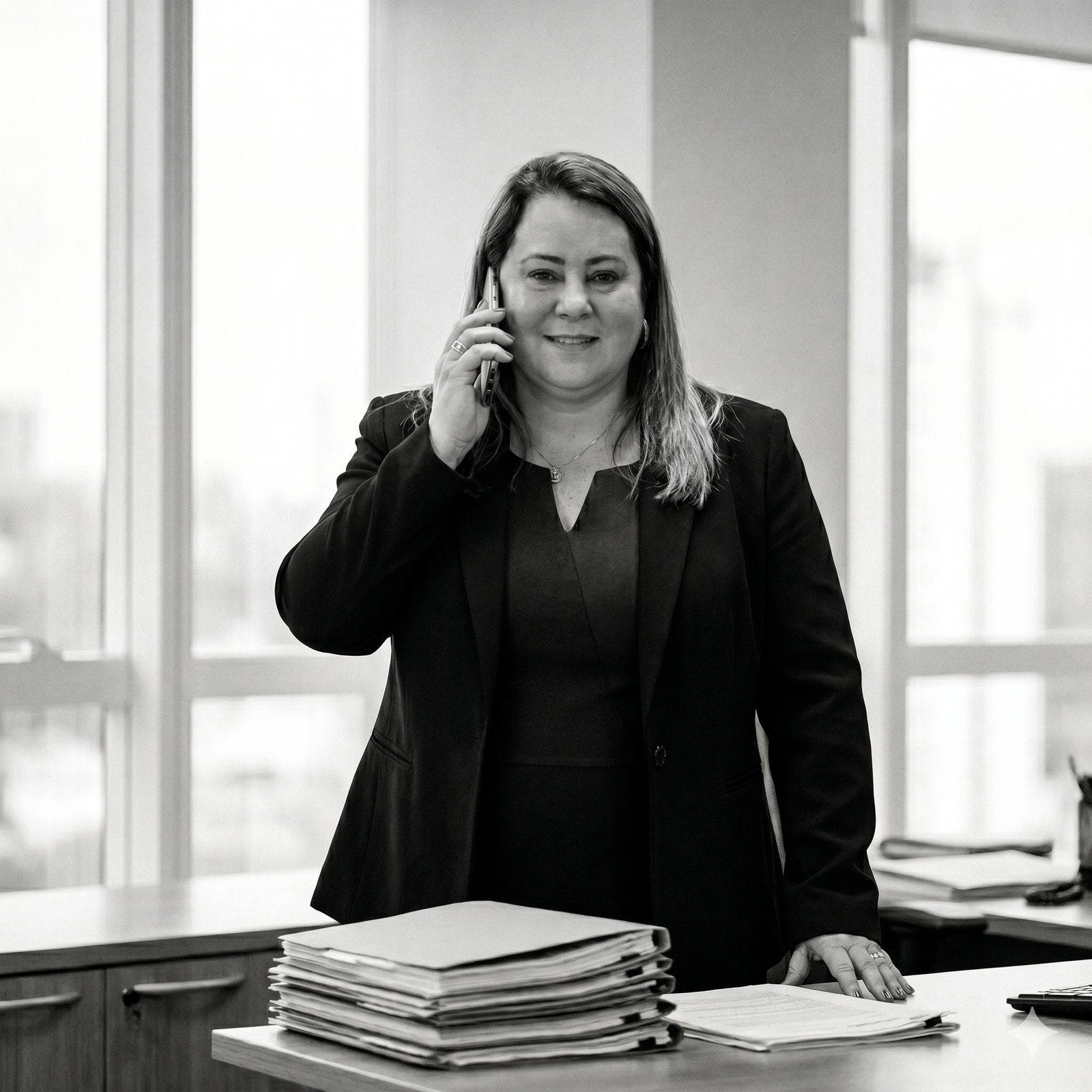
Ingrid Cruz, MSW, CBHCMS
I am the founder and owner of UC Behavioral Health & Social Services, as well as the course instructor. “My mission is to empower the next generation of behavioral health professionals with the clinical tools and the heart needed to truly change lives.” A Proven Path in Behavioral Health With a background as a Master of Social Work (MSW) and a Registered Clinical Social Worker Intern (RCSWI), Cruz brings years of frontline experience to your screen. As a lead trainer at UC Behavioral Health and Social Services, she has dedicated her career to navigating the complexities of mental health and social support systems in Florida.
Why Learn with Ingrid Cruz?
I hold a Master’s Degree in Social Work (MSW) and I am a Certified Behavioral Health Case Manager Supervisor (CBHCMS), which reflects my experience in behavioral health care coordination, case management supervision, and service program development. and I incorporate expressive therapy approaches that allow clients—particularly children and individuals with developmental or communication challenges—to express emotions, develop coping skills, and improve social interaction through creative processes.
Through UC Behavioral Health & Social Services, I have worked to develop multidisciplinary programs that combine behavioral health services, expressive therapies, and educational support, including art and music therapy, counseling, case management, and specialized programs designed for children with developmental, emotional, and behavioral needs. My approach emphasizes individualized care, family collaboration, and evidence-informed practices that address both clinical and psychosocial factors affecting each client’s well-being.
My commitment is to continue expanding accessible and meaningful behavioral health services that empower individuals, strengthen families, and support healthier communities.
“Whether you are starting your very first day in mental health or you are a seasoned professional looking to get certified, I am here to guide you. This journey is about more than just passing an exam—it’s about becoming a pillar of support for your community.”
Key Benefits
01
Fully Aligned with Florida Standards
Content specifically designed to meet Florida Certification Board (FCB) requirements, ensuring you study exactly what is needed for your credential.
02
Experts by Your Side
Learn directly from professionals at UC Behavioral Health and Social Services, with years of real-world experience in mental health and social work.
03
Flexibility for Your Pace
Ideal for both those entering the field for the first time and active professionals who need to formalize their knowledge without quitting their jobs.
04
Cutting-Edge Content
Master SAMHSA recovery models, crisis management techniques, and the most up-to-date ethical foundations of the behavioral health system.
05
Immediate Career Boost
Enhance your job opportunities in hospitals, rehabilitation centers, and community clinics throughout the state of Florida.
06
What You Will Get
Immediate 24/7 access to all study materials.
Practice quizzes designed to mirror the actual exam.
Certificate of completion backed by our institution.
Course Price
Essential features to start
$299,99
PrivacyYour information is 100% secure
Safe purchaseSecure and authenticated environment
Delivery via E-mailAccess to product delivered by email
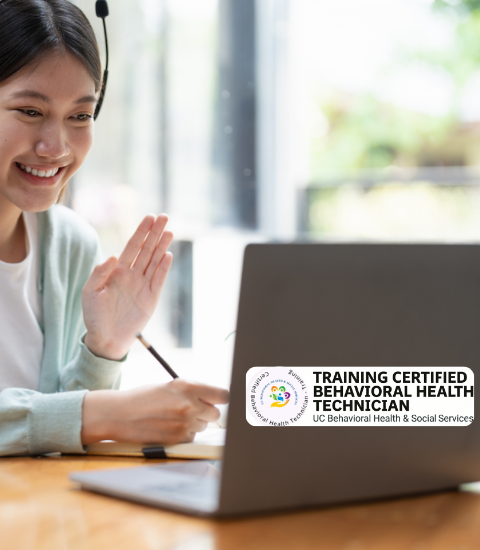
The training course for Certified Behavioral Health Technicians (CBHT) is offered by UC Behavioral Health and Social Services! This entry-level credential serves as the first step for those wishing to assist counselors and therapeutic staff in providing clinical services to adults and children in residential programs, hospitals, or community settings.
Find answers to frequently asked questions about our training course.
This training is designed for both newcomers looking to start a career in mental health and current professionals (such as health assistants or behavioral aids) who need to formalize their experience and earn their Florida state certification.
Yes. Our curriculum is specifically aligned with the standards set by the Florida Certification Board. We cover the mandatory domains required to sit for the Certified Behavioral Health Technician (CBHT) exam.
No prior experience in mental health is required to start the course. However, to eventually obtain the official CBHT credential from the state, you will generally need a high school diploma (or equivalent) and to complete a background check as per Florida regulations.
Yes! We offer a flexible, self-paced online format through UC Behavioral Health and Social Services. You can access your lessons, quizzes, and materials 24/7 from any device, allowing you to study without disrupting your work schedule.
This course provides the specialized training and certificate of completion required to apply for the certification. The final state exam is administered separately by the Florida Certification Board, and their application fees are paid directly to them.
Once you enroll, you will have access to the platform for 60 days. This ensures that you have sufficient time to review the fundamentals of behavioral health and SAMHSA’s recovery models before taking your exam.
It’s easy! During the checkout process, you will see a field labeled “Promo Code” or “Coupon.” Simply enter your code there, click apply, and your total will update automatically before you complete the purchase.
A quick suggestion for your landing page: At the end of the FAQ section, add one final line: Still have questions? Our team at UC Behavioral Health and Social Services is here to help. Contact us at (786) 353-2324and let’s get started!
It is expressly clarified that this page and the associated product are not part of, nor are they endorsed, sponsored, administered by, or in any way associated with Meta Platforms, Inc. (or any other entity related to Meta or Facebook). References to platforms such as Facebook or Instagram are made solely for descriptive or educational purposes in relation to the course content. Any questions or issues related to these platforms should be directed to their respective official support channels.