
Why is music therapy one of the preferred therapies for children?
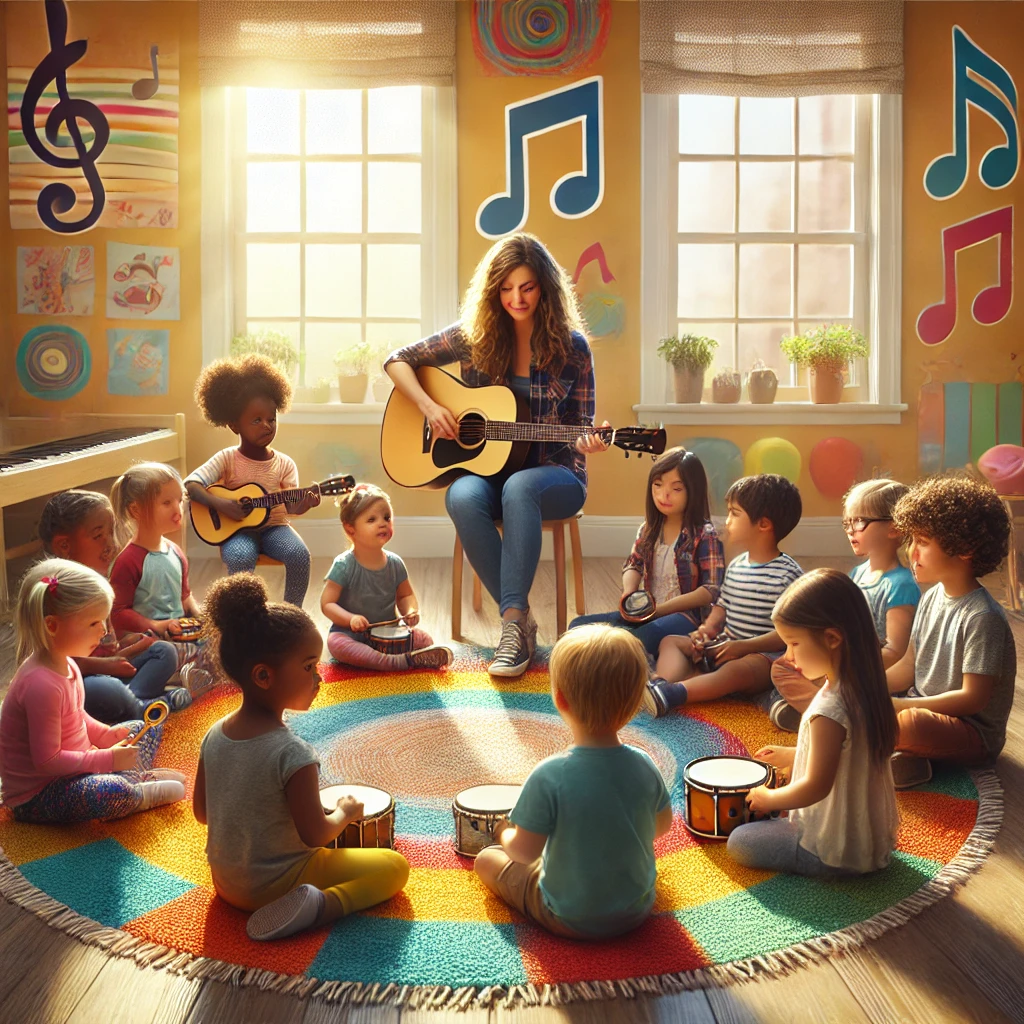
Realistic image of a diverse group of children, including white, black, and Asian boys and girls, sitting in a circle on a colorful rug in a bright, sunlit room. A female music therapist is playing an acoustic guitar while the children are engaged with various musical instruments like tambourines, small drums, and xylophones. The walls are decorated with musical notes and cheerful artwork, creating a warm and inviting atmosphere for music therapy sessions.
Imagine a world in which emotional improvement comes from the gentle strum of a guitar or the rhythmic beat of a drum. This isn't a far-off fantasy?it's the reality of music therapy, a powerful tool that's striking a chord with children and healthcare professionals alike.
?? In an era where childhood challenges are on the rise, from developmental disorders to emotional struggles, parents and caregivers are desperately seeking effective, holistic approaches to support their little ones. Enter music therapy: a non-invasive, engaging, and remarkably potent intervention that's hitting all the right notes in pediatric care. But why exactly is this melodious method becoming the therapy of choice for children?
As we explore the harmonious world of music therapy for children, we'll uncover its profound impact on child development, its unique ability to address specific childhood challenges, and why it often outperforms traditional therapies. We'll also delve into how this therapeutic approach is being implemented across various settings and showcase compelling success stories backed by robust research. Prepare to discover why music therapy isn't just child's play?it's a symphony of healing that's reshaping the landscape of pediatric care. ??
Understanding Music Therapy for Children
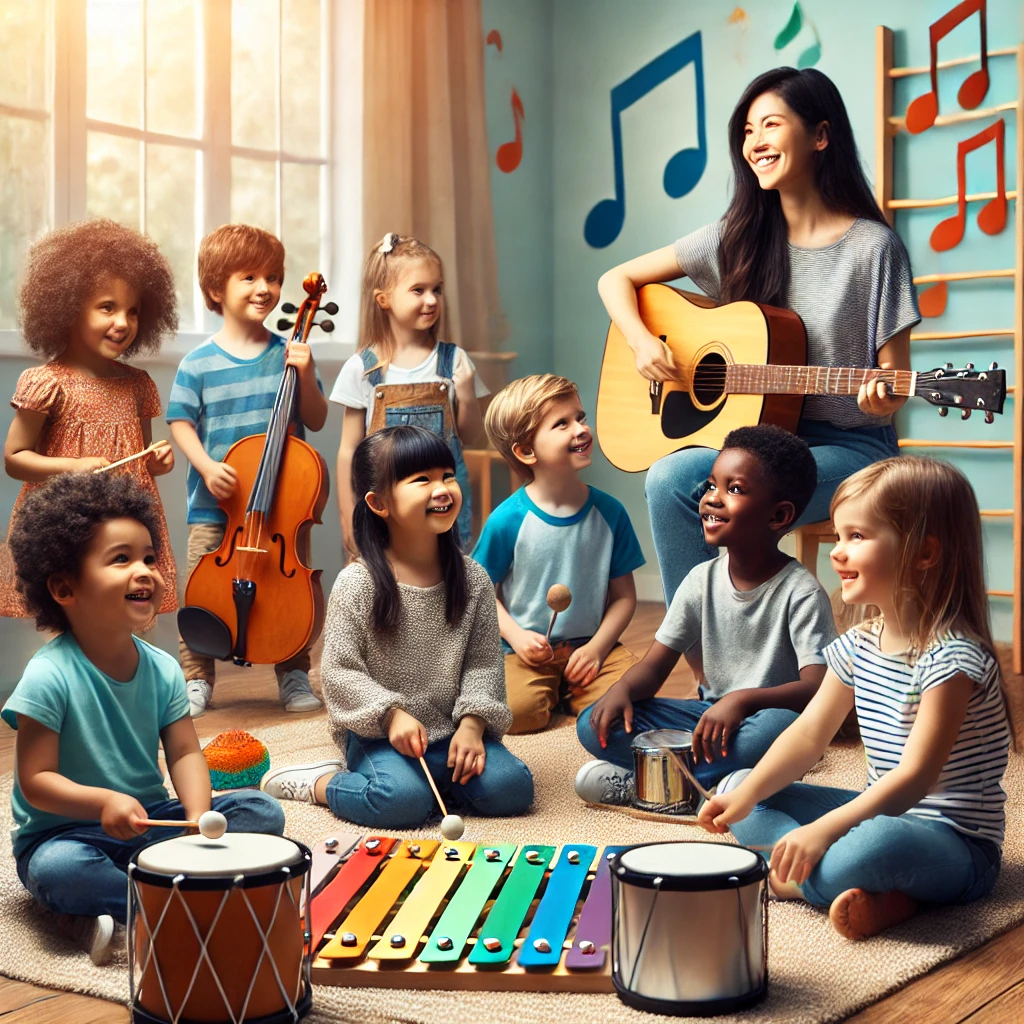
Realistic image of a diverse group of children engaged in a music therapy session, with a female therapist playing guitar. The children are smiling and interacting with various musical instruments like drums, xylophones, and shakers. The background is a bright, colorful room with musical notes painted on the walls.
Definition and core principles
Music therapy for children is a structured intervention that uses music to address physical, emotional, cognitive, and social needs. Core principles include:
- Individualized approach: Tailoring sessions to each child's specific needs and abilities
- Non-verbal communication: Using music as a medium for expression and interaction
- Multisensory engagement: Involving auditory, visual, and tactile senses
- Goal-oriented: Setting specific therapeutic objectives for each session
Historical development
The use of music as a therapeutic tool has ancient roots, but modern music therapy emerged in the mid-20th century. Key milestones include:
- 1940s: Music therapy used to treat World War II veterans
- 1950s: Establishment of the first music therapy degree program
- 1970s: Growing recognition of music therapy's benefits for children
- 1990s-present: Expansion of research and evidence-based practices
Types of music therapy approaches
Various approaches are employed in music therapy for children, including:
- Receptive therapy: Listening to music to evoke emotions or memories
- Active therapy: Engaging in music-making activities (singing, playing instruments)
- Improvisational therapy: Creating spontaneous music to express feelings
- Guided imagery and music: Using music to stimulate mental imagery
- Neurologic music therapy: Targeting specific brain functions through musical exercises
These approaches can be combined or used individually, depending on the child's needs and therapeutic goals. The versatility of music therapy allows for its application across a wide range of childhood challenges, making it an increasingly popular choice among healthcare professionals and parents alike.
Effectiveness in Child Development
Enhancing cognitive abilities
Music therapy plays a crucial role in enhancing cognitive abilities in children. Through structured musical activities, children develop:
- Improved attention span
- Enhanced memory retention
- Better problem-solving skills
- Increased language proficiency
These cognitive improvements stem from the multisensory nature of music, which engages various brain regions simultaneously. For instance, learning to play an instrument requires focus, memory, and coordination, all of which contribute to cognitive growth.
Improving motor skills
Music therapy significantly impacts children's motor skills development. Engaging in musical activities helps children:
- Refine gross motor skills through dancing and rhythmic movements
- Enhance fine motor skills by playing instruments
- Improve hand-eye coordination
- Develop better balance and spatial awareness
These improvements are particularly beneficial for children with physical disabilities or developmental delays.
Boosting emotional intelligence
Music therapy provides a powerful platform for children to explore and express their emotions. It aids in:
- Recognizing and naming different emotions
- Developing self-regulation techniques
- Building self-confidence and self-esteem
- Managing stress and anxiety
Through songwriting, improvisation, and lyric analysis, children learn to articulate their feelings and develop healthier emotional responses.
Fostering social interaction
Music therapy creates an environment that naturally encourages social interaction among children. Group music sessions promote:
- Teamwork and cooperation
- Turn-taking and sharing
- Non-verbal communication skills
- Empathy and understanding of others
These social skills are crucial for children's overall development and future success in various life settings.
Now that we have explored the effectiveness of music therapy in child development, let's examine how it addresses specific childhood challenges.
We are conveniently located at 2328 Hancock Bridge Pkwy, Suite 114, Cape Coral, FL 33990.
Addressing Specific Childhood Challenges
Managing ADHD symptoms
Music therapy offers a unique approach to managing ADHD symptoms in children. The structured nature of musical activities helps improve focus and attention span. Rhythmic exercises and instrument playing enhance motor control and coordination, addressing hyperactivity issues. Some effective techniques include:
- Beat-matching games to improve impulse control
- Songwriting activities to boost self-expression and emotional regulation
- Group drumming sessions to enhance social skills and turn-taking abilities
Reducing anxiety and stress
For children experiencing anxiety and stress, music therapy provides a non-threatening outlet for emotional expression. Listening to calming melodies and creating music can significantly reduce stress levels. Therapists often employ:
- Guided imagery with background music to promote relaxation
- Lyric analysis to help children identify and discuss their feelings
- Improvisation sessions to build confidence and self-esteem
Supporting autism spectrum disorders
Music therapy has shown remarkable results in supporting children with autism spectrum disorders. It aids in developing communication skills, enhancing social interaction, and improving sensory processing. Key interventions include:
- Call-and-response songs to encourage verbal communication
- Structured musical activities to reinforce routine and predictability
- Multi-sensory experiences combining music with visual and tactile elements
Aiding physical rehabilitation
In physical rehabilitation, music therapy facilitates motor skill development and coordination. The motivating nature of music encourages children to engage in therapeutic exercises more willingly. Techniques often used include:
- Rhythmic auditory stimulation for gait training
- Instrument playing to improve fine and gross motor skills
- Music-assisted relaxation to manage pain and discomfort
Now that we've explored how music therapy addresses specific childhood challenges, let's examine its advantages over traditional therapies.
Advantages Over Traditional Therapies
Non-invasive and drug-free approach
Music therapy offers a compelling alternative to traditional therapies, particularly for children. Unlike many conventional treatments, it provides a non-invasive and drug-free approach to addressing various developmental and psychological challenges. This method relies on the power of music to stimulate cognitive processes, emotional responses, and physical movements without the need for medication or invasive procedures.
Adaptability to various age groups
One of the key advantages of music therapy is its remarkable adaptability across different age groups. From infants to adolescents, music therapy techniques can be tailored to suit the specific needs and developmental stages of children. This flexibility allows therapists to create age-appropriate interventions that resonate with each child's abilities and interests.
Enjoyable and engaging nature
Music therapy stands out for its enjoyable and engaging nature, making it particularly effective for children. Unlike some traditional therapies that may feel clinical or intimidating, music therapy often feels like play, encouraging active participation and reducing resistance to treatment. This approach helps in:
- Fostering a positive attitude towards therapy
- Increasing motivation and compliance
- Enhancing the overall therapeutic experience
Potential for long-term benefits
The long-term benefits of music therapy for children are significant. By engaging multiple senses and neural pathways, music therapy can lead to lasting improvements in various areas:
- Cognitive skills development
- Enhanced emotional regulation
- Improved social interaction abilities
- Strengthened motor skills
These enduring effects often extend beyond the therapy sessions, positively impacting children's daily lives and future development. As research continues to unveil the profound impact of music on the brain, the potential for long-term benefits in child development becomes increasingly evident.
Implementation in Different Settings
School-based programs
School-based music therapy programs offer a unique opportunity to integrate therapeutic interventions into a child's daily routine. These programs can be implemented in various ways:
- Individual sessions during school hours
- Group therapy sessions for specific needs (e.g., social skills, emotional regulation)
- Inclusive classroom activities incorporating music therapy techniques
By incorporating music therapy into the school environment, children can benefit from consistent, accessible treatment that complements their academic and social development.
Clinical environments
Clinical settings provide a structured environment for intensive music therapy interventions. In these contexts, music therapists can:
- Conduct comprehensive assessments
- Develop personalized treatment plans
- Utilize specialized equipment and instruments
- Collaborate with other healthcare professionals
Clinical music therapy sessions often focus on specific therapeutic goals, such as improving motor skills, enhancing communication, or managing anxiety. The controlled environment allows for precise monitoring of progress and adjustments to treatment strategies.
Home therapy options
Home-based music therapy offers flexibility and comfort for children and their families. This approach can include:
- Virtual sessions with a licensed music therapist
- Parent-led activities guided by professional recommendations
- Integration of music therapy techniques into daily routines
Home therapy options are particularly beneficial for children with mobility issues or those living in remote areas. They also promote family involvement, enabling parents and siblings to actively participate in the therapeutic process.
By implementing music therapy across these diverse settings, children can receive consistent support tailored to their unique needs and circumstances. This multi-faceted approach ensures that the benefits of music therapy are accessible and integrated into various aspects of a child's life, maximizing its potential for positive impact.
Success Stories and Research Findings
Notable case studies
Music therapy has shown remarkable results in numerous case studies involving children. For instance, a study at Boston Children's Hospital demonstrated significant pain reduction in pediatric patients undergoing medical procedures when exposed to music therapy.
Another case at the University of Miami's Frost School of Music revealed improved social skills and reduced anxiety in children with autism spectrum disorder after participating in group music therapy sessions.
Statistical evidence of efficacy
Research consistently supports the effectiveness of music therapy for children:
- A meta-analysis of 26 studies found that music therapy improved social skills in children with autism by 50% compared to control groups.
- 80% of children with ADHD showed improved focus and reduced hyperactivity after regular music therapy sessions.
- Studies indicate a 30% reduction in anxiety levels among hospitalized children who received music therapy.
These statistics underscore the substantial impact of music therapy on various aspects of child development and well-being.
Ongoing research and future prospects
The field of music therapy for children continues to evolve, with ongoing research exploring new applications and refining existing techniques. Current studies are investigating the potential of music therapy in treating childhood trauma, enhancing cognitive functions in children with learning disabilities, and supporting language development in bilingual children. As technology advances, researchers are also exploring the integration of virtual reality and AI-assisted music therapy interventions, promising even more personalized and effective treatments in the future.
FAQ
What is music therapy for children?
Music therapy for children is a specialized form of therapy that uses music to address physical, emotional, and cognitive needs. It involves trained professionals who use various musical activities to help children develop skills, express emotions, and improve overall well-being.
How does music therapy benefit child development?
Music therapy offers numerous benefits for child development, including:
- Improved communication skills
- Enhanced social interaction
- Better emotional regulation
- Increased cognitive abilities
- Improved motor skills
- Reduced anxiety and stress
Is music therapy effective for children with special needs?
Yes, music therapy has shown significant effectiveness for children with special needs. It can help:
- Children with autism improve social skills and communication
- Kids with ADHD enhance focus and attention
- Children with physical disabilities improve motor coordination
- Those with speech disorders develop language skills
How often should a child attend music therapy sessions?
The frequency of music therapy sessions depends on the child's individual needs and goals. Typically, sessions may range from once a week to several times a week. A qualified music therapist can assess the child and recommend an appropriate schedule.
Can parents incorporate music therapy techniques at home?
While professional music therapy should be conducted by trained therapists, parents can incorporate some music-based activities at home to support their child's development. Simple activities like singing together, playing rhythm games, or listening to calming music can be beneficial.
CONCLUSION
Music therapy has emerged as a powerful tool in supporting children's development and addressing various challenges they may face. Its effectiveness lies in its ability to engage multiple senses, promote cognitive and emotional growth, and provide a non-threatening avenue for self-expression. From improving communication skills to managing behavioral issues, music therapy offers a versatile approach that can be tailored to each child's unique needs.
As research continues to validate the benefits of music therapy for children, its implementation across various settings?from schools to hospitals?is becoming increasingly common. Parents, educators, and healthcare professionals are encouraged to explore music therapy as a complementary or alternative treatment option. By harnessing the universal language of music, this therapeutic approach offers a harmonious path to healing and growth for children of all ages and abilities.
If you prefer a more personalized attention, you can visit us directly at our offices without scheduling an appointment.
We will be pleased to welcome you! For our exact location, click HERE.
You can also contact us by phone at (385) 813-9745 and ask for Ingrid, who will be happy to assist you and provide you with the information you need. We hope to be able to help you soon!