
Art Therapy for Kids: Helping Your Child Grow and Express Themselves
Table of Contents
- Introduction to Art Therapy for Children
- Benefits of Art Therapy for Kids
- Art Therapy Techniques for Different Age Groups
- Getting Started with Art Therapy at Home
- Finding a Professional Art Therapist
- Art Therapy Success Stories
- Conclusion: Nurturing Your Child's Growth Through Art
Introduction to Art Therapy for Children
Art therapy is a powerful tool that can help children express themselves, cope with emotions, and develop important skills. In Cape Coral and beyond, parents are discovering the incredible benefits of art therapy for children and young people from 3 to 21 years old. This guide will explore how art therapy can support your child's growth and provide practical tips for incorporating it into your family's life.
Benefits of Art Therapy for Kids
Art therapy offers numerous advantages for children's emotional, cognitive, and social development:
- Emotional Expression: Art provides a safe outlet for children to express feelings they may struggle to put into words.
- Stress Relief: Creating art can be calming and help reduce anxiety and stress in children.
- Improved Self-Esteem: Completing art projects can boost a child's confidence and sense of accomplishment.
- Enhanced Communication Skills: Art therapy can help children develop nonverbal communication skills and improve their ability to express themselves verbally.
- Problem-Solving Skills: The creative process encourages children to think critically and find solutions to challenges.
- Motor Skill Development: Various art activities can help improve fine and gross motor skills.
- Social Skills: Group art therapy sessions can foster teamwork and social interaction.
Art Therapy Techniques for Different Age Groups
Preschoolers (3-5 years)
- Finger painting
- Play dough sculpting
- Simple collage making
Elementary School Kids (6-12 years)
- Drawing emotions
- Creating personal symbols
- Making masks to explore identity
Teenagers (13-18 years)
- Art journaling
- Mixed media projects
- Photography as self-expression
Young Adults (19-21 years)
- Abstract painting to express complex emotions
- Sculpture work
- Digital art creation
Getting Started with Art Therapy at Home
You don't need to be a professional artist or therapist to introduce art therapy concepts at home. Here are some ideas to get started:
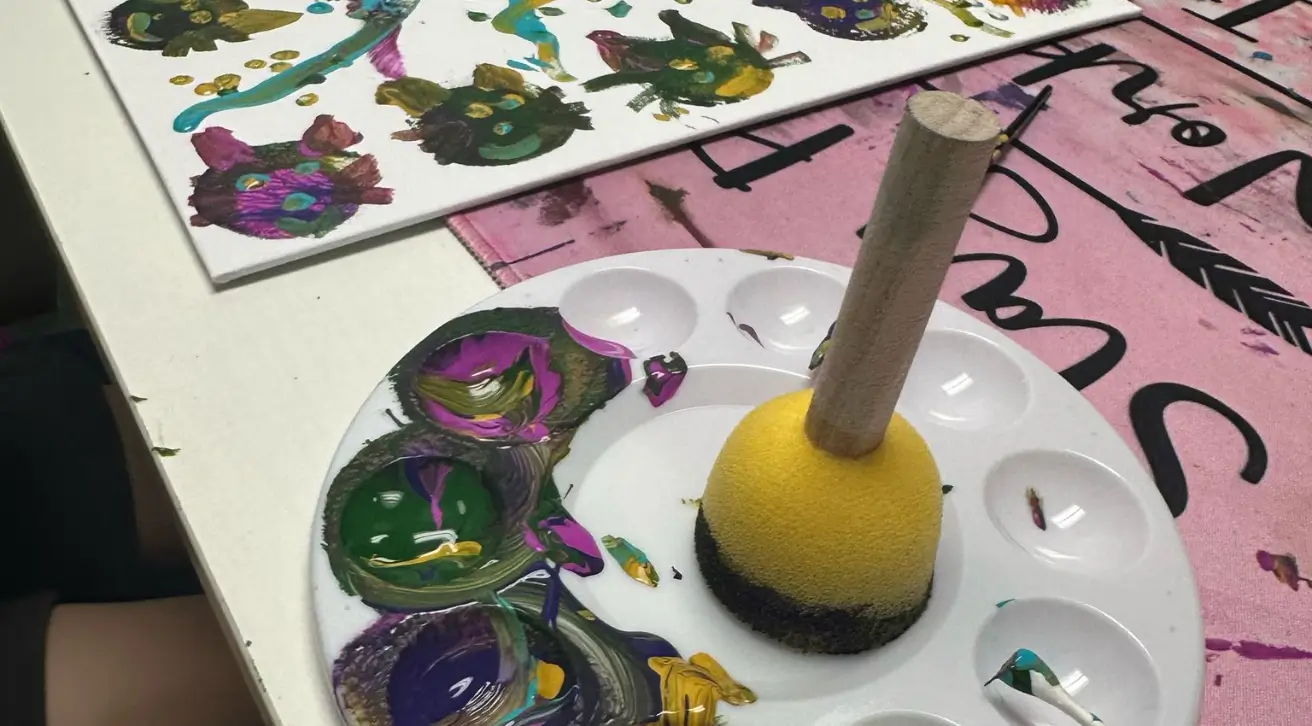
- Create an Art Space: Designate a area in your home for art activities. Stock it with various supplies like paper, crayons, markers, paint, and clay.
- Set Aside Art Time: Schedule regular art sessions with your child. This could be daily or weekly, depending on your family's routine.
- Focus on Process, Not Product: Encourage your child to enjoy the act of creating rather than worrying about the final result.
- Ask Open-Ended Questions: When discussing your child's artwork, ask questions like "Can you tell me about your picture?" rather than making assumptions about what it represents.
- Join In: Participate in art activities alongside your child to bond and model creative expression.
- Explore Different Materials: Introduce a variety of art supplies to keep things interesting and challenge your child's creativity.
- Display Artwork: Show pride in your child's creations by displaying them in your home or creating a special art gallery space.
Finding a Professional Art Therapist
While at-home art activities can be beneficial, working with a trained art therapist can provide more structured support for your child. Here's how to find a professional:
- Research Credentials: Look for therapists with proper certification from organizations like the American Art Therapy Association.
- Ask for Recommendations: Consult your child's pediatrician, school counselor, or other parents for referrals.
- Check Insurance Coverage: Some insurance plans may cover art therapy sessions, especially if they're part of a mental health treatment plan.
- Interview Potential Therapists: Schedule consultations to ensure the therapist is a good fit for your child's needs and personality.
- Consider Online Options: Many art therapists now offer virtual sessions, which can be convenient for busy families.
At our clinic located in Cape Coral, all of our therapists are certified and have years of experience.
Art Therapy Success Stories
Many families have seen remarkable changes in their children through art therapy. Here are a few examples:
- Emma, age 7: Struggled with anxiety but found peace and confidence through weekly painting sessions.
- Tyler, age 14: Used sculpture to work through anger issues and improve his relationships with family members.
- Sophia, age 5: Overcame selective mutism by expressing herself through drawing before gradually becoming more verbal.
These stories highlight the transformative power of art therapy for children of all ages and with various challenges.
Conclusion: Nurturing Your Child's Growth Through Art
Art therapy offers a unique and effective way to support your child's emotional and cognitive development. By incorporating art into your child's life, whether through at-home activities or professional therapy sessions, you're providing them with valuable tools for self-expression, problem-solving, and personal growth.
Remember, every child is different, and it may take time to find the right approach. Be patient, stay open to different art forms, and most importantly, enjoy the creative journey with your child.
Ready to explore the world of art therapy with your child? Start by creating a simple art station at home or call us now. Your child's artistic adventure awaits!
Explore more resources on child development