
The Music Therapy Breakthrough That's Silencing Critics
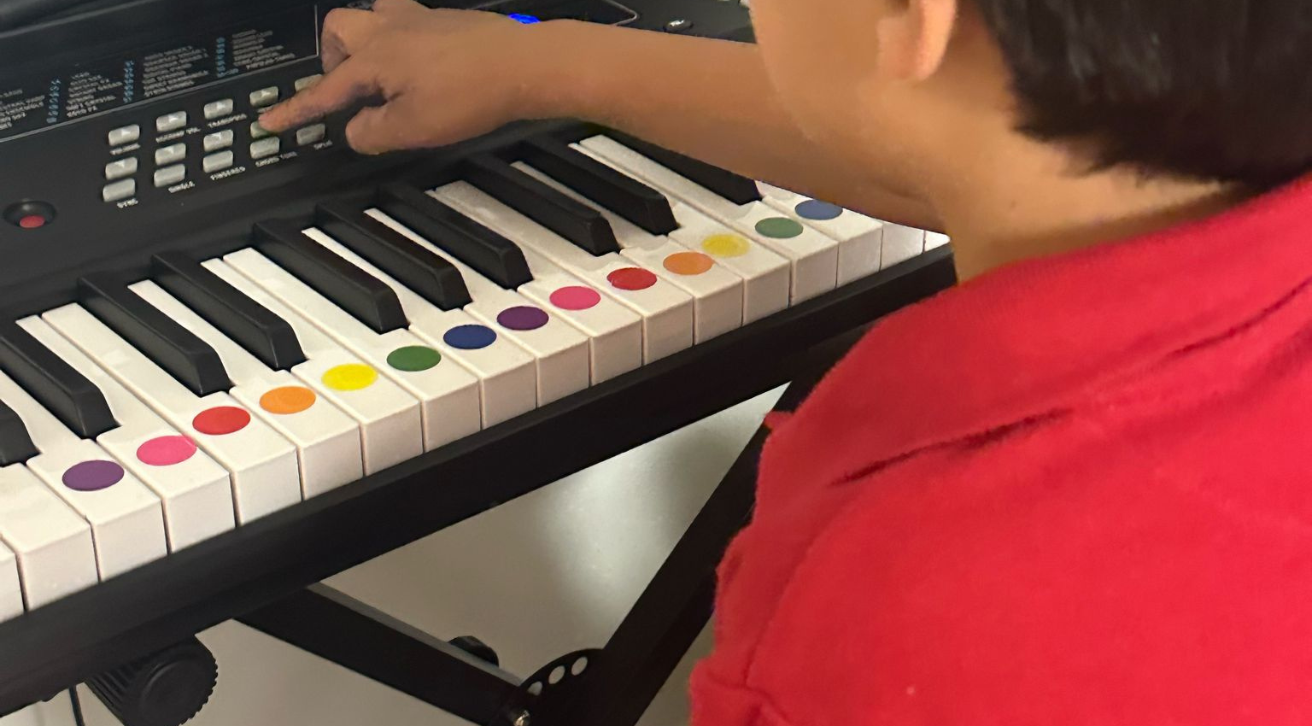
Table of Contents
- Introduction
- What is Music Therapy?
- The Science Behind Music Therapy
- Music Therapy for Children and Youth
- Music Therapy at Home and in Clinics
- Success Stories from Cape Coral and Hialeah
- UC Behavioral Health and Social Services: Pioneering Music Therapy
- Addressing the Critics
- The Future of Music Therapy
- Conclusion
Introduction
The world of therapy is witnessing a remarkable shift, and at the center of this change is the music therapy breakthrough that's silencing critics. From the sunny shores of Cape Coral to the bustling streets of Hialeah, music therapy is making waves in the field of mental health and wellness. This innovative approach is not just a passing trend; it's a scientifically backed method that's changing lives, particularly for children and youth aged 3-21.
What is Music Therapy?
Music therapy is a clinical and evidence-based practice that uses music to accomplish individualized goals within a therapeutic relationship. It involves a range of activities, including:
- Listening to music
- Creating music
- Moving to music
- Singing
- Discussing lyrics
These activities are tailored to meet the specific needs of each client, whether the therapy takes place at home or in a clinic setting.
The Science Behind Music Therapy
The music therapy breakthrough that's silencing critics is rooted in solid scientific research. Studies have shown that music can:
- Reduce stress and anxiety
- Improve mood
- Enhance cognitive function
- Promote physical rehabilitation
For example, a study published in the Journal of Music Therapy found that music therapy significantly reduced anxiety in patients undergoing medical procedures.
Music Therapy for Children and Youth
One of the most exciting aspects of this music therapy breakthrough is its effectiveness for children and youth (ages 3-21). Music therapy can help young people with:
- Autism spectrum disorders
- ADHD
- Depression and anxiety
- Learning disabilities
- Physical disabilities
Music therapists use age-appropriate activities to engage children and teens, helping them develop social skills, improve communication, and build self-esteem.
Music Therapy at Home and in Clinics
The versatility of music therapy allows it to be effective both at home and in clinical settings. Here's how it works in different environments:
At Home
- Parents can incorporate music therapy techniques into daily routines
- Online sessions with professional therapists
- Customized playlists for relaxation or stimulation
In Clinics
- One-on-one sessions with trained music therapists
- Group therapy sessions
- Access to a wide range of instruments and equipment
Success Stories from Cape Coral and Hialeah
The advancement of music therapy is having a significant impact in communities throughout Florida. In Cape Coral, a local music therapy program has helped dozens of autistic children improve their social and communication skills.
Meanwhile, in Hialeah, our center has launched a music therapy program that is helping children and youth with emotional problems.
UC Behavioral Health and Social Services: Pioneering Music Therapy
UC Behavioral Health and Social Services has been at the forefront of integrating music therapy into its treatment programs. Its innovative approach combines traditional therapeutic methods with music-based interventions, offering a personalized treatment plan after an analysis with psychologists for patients between the ages of 3 - 21 years old.
Addressing the Critics
Despite the growing evidence supporting music therapy, some critics remain skeptical. Common criticisms include:
- Lack of standardization in treatment protocols
- Difficulty in measuring outcomes
- Questions about long-term effectiveness
However, ongoing research and the countless success stories from patients and therapists are gradually silencing these critics. The music therapy breakthrough is proving that this approach is not just a placebo effect, but a legitimate and effective form of treatment.
The Future of Music Therapy
As the music therapy breakthrough continues to silence critics, the future looks bright for this field. Emerging trends include:
- Integration of technology (e.g., VR and AI) in music therapy sessions
- Expansion of music therapy programs in schools and healthcare facilities
- Increased insurance coverage for music therapy treatments
- Development of specialized music therapy approaches for specific conditions
Conclusion
The music therapy breakthrough that's silencing critics is more than just a trend; it's a transformative approach to mental health and wellness. From Cape Coral to Hialeah, and in homes and clinics across the country, music therapy is changing lives. For children and youth aged 3-21, it offers a unique and engaging way to address a wide range of challenges.
As we look to the future, it's clear that music therapy will continue to play an increasingly important role in healthcare and social services. Whether you're a parent looking for alternative therapies for your child, a healthcare professional seeking new treatment options, or someone interested in the power of music to heal, it's worth exploring the potential of music therapy.
Have you experienced the benefits of music therapy? We'd love to hear your story. Share your experiences in the comments or contact UC Behavioral & Social Services, at Office Miami: (786) 803-8466
Appointment Cape Coral: (305) 813- 9745, to schedule a music therapy appointment to learn more about how this innovative treatment could benefit your child or your loved ones.