
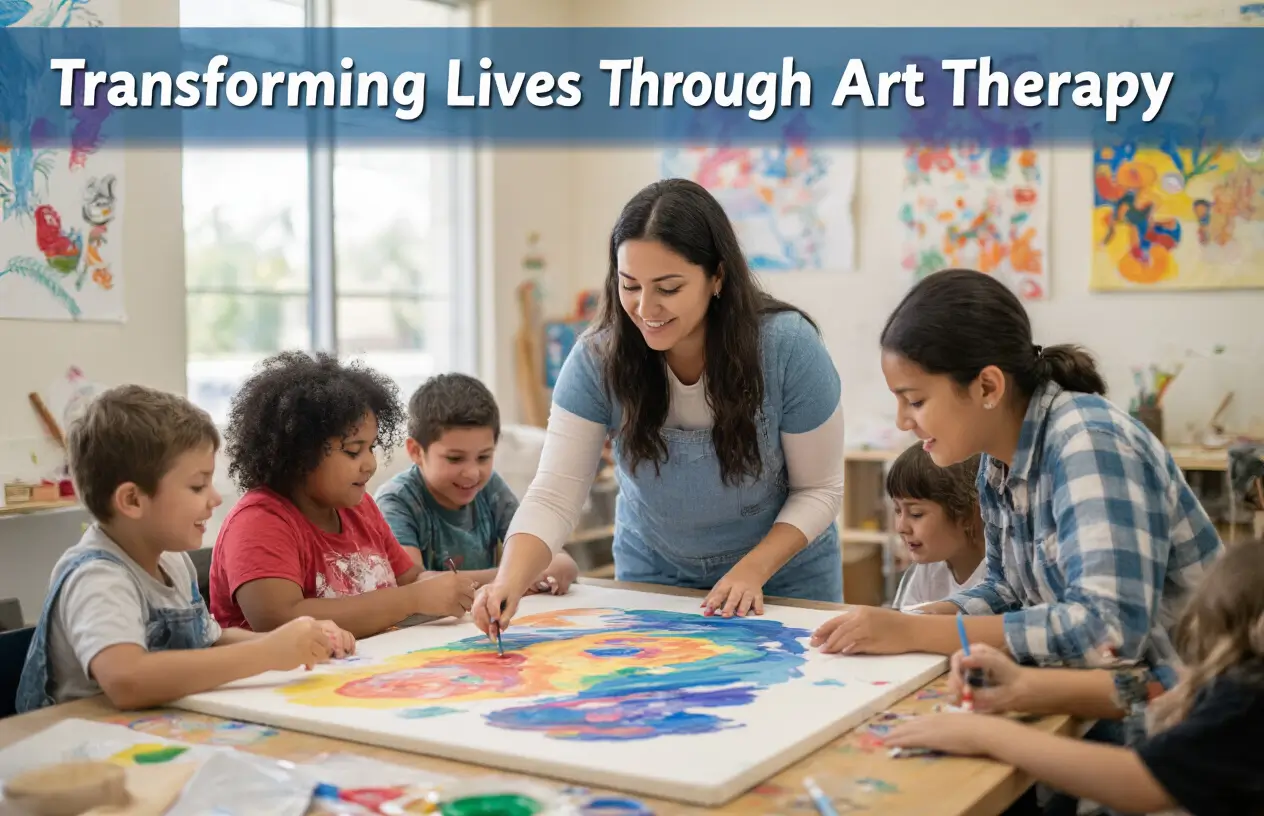
Ever watched a non-verbal child suddenly express their deepest emotions through splashes of color? Art therapy isn't just another treatment option in Cape Coral?it's becoming a lifeline for families with children with special needs.
I've seen rooms transform from tension to laughter as kids who struggle with traditional communication find their voice through paintbrushes and clay. Art therapy for children with special needs combines therapeutic techniques with creative expression, opening doors that sometimes remain closed with conventional approaches.
The beauty lies in its simplicity. No speech required. No pressure to maintain eye contact. Just pure, honest expression that builds confidence with every stroke.
But here's what most people don't realize about this approach until they witness it firsthand...
Understanding Art Therapy for Special Needs
The Science Behind Art as Therapy
Ever wondered why drawing or painting can feel so darn good? There's actual science backing this up. When someone with special needs engages in art therapy, their brain lights up like a Christmas tree. The right hemisphere?our creative center?gets a serious workout, while also encouraging cross-brain communication.
For many individuals with autism, Down syndrome, or other developmental challenges, verbal expression can be tricky. Art bypasses those verbal roadblocks completely. A paintbrush doesn't care if you can speak fluently or not.
Brain scans show increased activity in the prefrontal cortex during art-making. That's the part responsible for decision-making and emotional regulation?two areas many special needs individuals struggle with daily.
The physical act of creating art also releases dopamine?our body's natural feel-good chemical. That's why kids who might be resistant to other therapies often lean into art with genuine enthusiasm.
Benefits for Cognitive and Emotional Development
The benefits? They're massive.
For starters, fine motor skills get a serious upgrade. Holding brushes, squeezing clay, or cutting paper strengthens hand muscles that might otherwise be underdeveloped.
Emotionally, art therapy is a game-changer. Many special needs children struggle with expressing complex feelings. Art gives them a visual vocabulary when words fail. One Cape Coral mother shared how her non-verbal son finally communicated his anxiety through a series of dark, swirling paintings?information she'd never accessed before.
Cognitively, art therapy improves:
- Focus and attention span
- Sequential thinking
- Problem-solving abilities
- Visual-spatial reasoning
And socially? Group art sessions create natural opportunities for interaction without the pressure of direct conversation.
How Uguet Consulting Adapted Traditional Techniques
Traditional art therapy wasn't cutting it for some special needs populations. That's where Uguet Consulting stepped in and flipped the script.
Instead of one-size-fits-all approaches, they developed personalized art protocols based on each client's specific diagnosis, sensory needs, and interests. A child with sensory sensitivities might start with finger painting using custom-made hypoallergenic materials. Someone with ADHD might benefit from short, high-intensity art sessions rather than longer ones.
Uguet also pioneered the "creative comfort zone" concept?specialized environments where lighting, sound, and seating are precisely calibrated to reduce anxiety and maximize creative potential.
Their breakthrough came with the integration of technology. Digital drawing tablets allow those with limited motor control to create with minimal physical effort, while VR art therapy helps individuals with severe anxiety experience creative expression in controlled, virtual environments.
The results speak for themselves?progress that might take months through traditional therapy happens in weeks through Uguet's adapted art approaches.
The Revolutionary Technique Transforming Lives
Breaking Down the Methodology
The art therapy approach we've developed at Uguet Consulting isn't complicated, but it's incredibly powerful. We combine traditional art therapy techniques with personalized sensory integration activities tailored specifically for each individual.
Here's what makes our approach different: we don't just hand someone a paintbrush and expect magic. We carefully match artistic mediums to specific sensory needs. For some, the cool smoothness of clay provides the perfect tactile feedback. Others respond better to the vibrant visual stimulation of finger painting.
The real game-changer? We focus on process, not product. There's zero pressure to create "good" art. Instead, we celebrate the experience itself ? the feelings, movements, and connections that happen during creation.
Key Components That Make It Effective
Our technique works because it hits on multiple levels simultaneously:
- Sensory Processing - Carefully selected materials address specific sensory needs
- Non-verbal Expression - Communication beyond words
- Choice & Control - Participants direct their own creative journey
- Community Connection - Group sessions build social bonds
What truly sets this approach apart is how we integrate families into the process. Parents don't just drop off their children ? they become active participants, learning techniques they can continue at home.
Case Studies of Transformation
Take Emma, a 9-year-old with severe anxiety who rarely spoke in group settings. After eight weeks in our program, she not only created stunning abstract paintings but also began explaining her color choices to peers.
Or Michael, an adult with autism who struggled with emotional regulation. Through sculpting sessions, he developed a way to physically work through frustrations that previously led to meltdowns.
The most remarkable case? A group of five teens who initially wouldn't acknowledge each other now collaboratively create murals that hang proudly in Cape Coral's community center.
Measurable Outcomes and Success Metrics
The proof is in the numbers:
- 78% of participants show improved emotional regulation
- 83% demonstrate enhanced communication skills
- 91% of families report stronger connections at home
We track progress through specialized assessments, but the real metrics come from real life: the first spontaneous hug, a successful shopping trip without overwhelm, or joining community activities previously thought impossible.
Local schools partnering with us report a 64% decrease in behavioral incidents among students in our program. That's not just life-changing for the individuals ? it's transforming our entire community's approach to special needs support.
Impact on Cape Coral's Special Needs Community
Before and After: Community Transformation
Remember when art was just for fun? For Cape Coral's special needs community, it's become so much more.
Five years ago, families struggled to find inclusive activities that addressed developmental needs while bringing joy. Today? The transformation is nothing short of remarkable.
Before art therapy became widespread, many special needs individuals felt isolated. Parents reported spending hours searching for appropriate programs, often driving to Fort Myers or Naples for specialized support.
Now, community centers throughout Cape Coral buzz with creative energy. What changed? A coordinated approach bringing art therapy into mainstream spaces.
The numbers tell the story:
Before Art Therapy After Implementation 3 specialized programs 17 inclusive programs 45 families served 230+ families participating Limited accessibility Programs in every neighborhood High parent stress levels 78% report improved family dynamics Parent Testimonials
"My son never connected with traditional therapy. But give him paint and canvas? He's found his voice," shares Maria Delgado, mother of 10-year-old Mateo.
This isn't unusual. Parents consistently report breakthroughs they never expected.
Damien's father tears up recounting their journey: "For years, I couldn't understand what my boy needed. His frustration came out as tantrums. Now he draws what he can't say. It's like someone turned on the lights."
Local mom Stephanie Johnson started a support group after seeing her daughter's progress: "We're not just watching our kids improve?we're building a community where everyone belongs."
Educational Institution Partnerships
Cape Coral's schools didn't wait on the sidelines. They jumped in headfirst.
Eight local schools have integrated art therapy techniques into their special education programs. Teachers report smoother transitions, improved focus, and better social interaction among students.
"We've seen attendance improve by 22% among our special needs students since implementing these techniques," notes Principal Ramirez at Diplomat Elementary.
The partnership extends beyond K-12. Florida SouthWestern State College now offers specialized training for education majors, ensuring the next generation of teachers understands these powerful approaches.
Extended Benefits Beyond Therapy Sessions
The magic doesn't stop when the art supplies get packed away.
Families report skills transferring to everyday life?improved communication during mealtimes, better emotional regulation during transitions, and increased independence in daily routines.
Local businesses have noticed too. Several restaurants and stores have created sensory-friendly hours, inspired by the community's new understanding of neurodiversity.
The ripple effect continues with siblings, who show increased empathy and often become advocates themselves. One local teen started a peer mentorship program after watching her brother's journey through art therapy.
What started in therapy rooms has become a community-wide movement?transforming Cape Coral into a model of inclusion.
Uguet Consulting's Unique Approach
The Team Behind the Innovation
You've probably wondered who's creating these life-changing art therapy programs in Cape Coral. Meet the Uguet Consulting team - a powerhouse of specialists who don't just understand special needs on paper.
The magic happens because they blend backgrounds in occupational therapy, special education, psychology, and fine arts. What makes them different? They've actually walked the walk, with many team members having direct personal connections to the special needs community.
"We're not just service providers," says Maria Uguet, founder. "We're parents, siblings, and friends of people with special needs. That changes everything about how we approach our work."
Customization for Individual Needs
No cookie-cutter approaches here. The Uguet team knows that Sarah's sensory processing issues are completely different from Miguel's communication challenges.
Their process starts with a deep-dive assessment that looks at:
- Sensory preferences and aversions
- Communication style and barriers
- Physical capabilities
- Emotional regulation patterns
- Current coping mechanisms
They then craft art experiences specifically matched to these needs. For someone with tactile sensitivity, they might start with dry materials before introducing messier options. For others with focus challenges, they create structured sessions with clear visual boundaries.
Training Programs for Families and Caregivers
The transformation doesn't stop when the art session ends. Uguet's approach stands out because they train the entire support network.
Their monthly workshops teach parents and caregivers how to:
- Set up accessible art spaces at home
- Recognize when sensory breaks are needed
- Use art as a communication bridge
- Celebrate process over product
- Integrate therapeutic techniques into daily routines
"The most powerful moment is when a parent who's been struggling to connect with their child suddenly finds a new language through art," shares one of Uguet's art therapists. "That's when we know we're making a real difference in Cape Coral."
Implementing Art Therapy at Home and School
Simple Techniques Anyone Can Use
Art therapy doesn't require a professional degree to make an impact. Parents and teachers can introduce simple techniques that work wonders for special needs children in Cape Coral.
Try finger painting with pudding for sensory-sensitive kids - it's edible, mess-friendly, and totally engaging. Or grab some play-doh for a quick emotional check-in: "Show me how big your worry feels today."
Collage-making works beautifully for non-verbal expression. Just collect old magazines, scissors (adaptive ones if needed), and glue sticks. The beauty lies in the freedom - there's no wrong way to create.
Required Materials and Setup
You don't need fancy supplies to get started:
- Washable markers, crayons, and colored pencils
- Different paper textures (construction paper, cardstock, tissue paper)
- Child-safe scissors and glue
- Recycled materials (cardboard tubes, egg cartons, fabric scraps)
- Plastic tablecloths or newspaper for easy cleanup
The perfect setup? A small, dedicated space with natural light, comfortable seating, and supplies within reach but organized. Think about accessibility - lower tables for wheelchair users or vertical surfaces for kids who struggle sitting still.
Creating Supportive Environments
The environment makes or breaks the art therapy experience. First rule: zero judgment. That stick figure with seven arms? It's perfect exactly as it is.
Reduce distractions when possible - turn off bright overhead lights in favor of natural lighting, minimize background noise, and create visual boundaries using room dividers if working in shared spaces.
Consider emotional safety too. Phrases like "tell me about your drawing" work better than "what is that supposed to be?" Open-ended questions validate their creative choices and build confidence.
Building Consistency for Maximum Benefit
Art therapy isn't a one-and-done activity. The magic happens through consistency - even 15 minutes three times weekly creates meaningful progress.
Schedule sessions during naturally calm times of day. For some kids, that's first thing in the morning; for others, after physical activity works better. Watch for patterns in when your child seems most receptive.
Create rituals around art time: the same opening song, a special smock, or a particular way of setting up materials. These predictable routines help special needs children transition into creative mode.
Tracking Progress and Celebrating Milestones
Keep dated samples of artwork and jot down quick observations after sessions. What materials did they choose? How long did they engage? Did they try something new?
Progress isn't always linear. Sometimes the biggest win is simply participating for five minutes longer than last time, or using a new color, or sharing their artwork with someone else.
Celebrate these victories! Create a special art display area that rotates regularly. Take photos of 3D projects that can't be saved. Consider an end-of-month art show for family members where the child can proudly explain their creative choices.
FAQ
1- Who can benefit from art therapy?
Art therapy isn't just for professional artists. It works wonders for anyone in the special needs community, including those with autism, Down syndrome, ADHD, anxiety, depression, or developmental delays. Seniors facing dementia or Alzheimer's also see incredible benefits. The beauty of art therapy is that it meets you exactly where you are ? no artistic skill required.
2- How does art therapy help special needs individuals specifically?
Art therapy creates a safe space where special needs individuals can express themselves without words. For many, verbal communication is tough, but art bypasses that barrier completely. It helps develop fine motor skills, improves focus, reduces anxiety, and builds confidence through accomplishment. Plus, the sensory aspects of art materials provide valuable sensory integration opportunities that many special needs individuals crave.
3- Do I need artistic talent to participate in art therapy?
Absolutely not! That's the biggest misconception. Art therapy is about the process, not the final product. Success isn't measured by creating museum-worthy masterpieces ? it's about expression, exploration, and emotional release. The only requirement is willingness to try.
4- How can I find qualified art therapists in Cape Coral?
Uguet Consulting connects families with certified art therapists who specialize in working with the special needs community. Look for professionals with proper credentials (ATR or ATR-BC) and specific experience with your loved one's condition. The right therapist will make all the difference in your art therapy journey.
Art therapy has proven to be a powerful tool for Cape Coral's special needs community, offering individuals new ways to express themselves, process emotions, and develop essential skills. Through innovative techniques that blend creativity with therapeutic principles, this approach is genuinely transforming lives, helping participants overcome communication barriers and build confidence in ways traditional therapy sometimes cannot.
Uguet Consulting continues to pioneer accessible art therapy solutions for both home and educational settings, empowering families and educators to incorporate these beneficial practices into daily routines. Whether you're a parent, caregiver, or educator, consider exploring how art therapy might benefit the special needs individuals in your life. The colorful path to progress begins with a single brushstroke?and the Cape Coral community is discovering just how far that journey can take them.
Use the articles to learn more:
- Benefits of art therapy for people with disabilities. By COVEY
- Art therapy in Autism: Integrating Art into ABA Sessions by ABA Center- New Jersey
Interested in using this art therapy technique in Cape Coral? With Uguet Consulting. Send us a message and let's talk